Source Hip Thrust Box for Glutes, Core, and Home Workouts
Compare 30 hip thrust box options from verified suppliers. Buyers can evaluate materials like foam and PVC, sizes, and customization features for fitness and bodybuilding applications. These units support comprehensive exercise routines with adjustable dimensions and durable construction suitable for various training environments.
Key considerations
Products List








Comprehensive Sourcing Guide
Hip Thrust Box Sourcing Guide
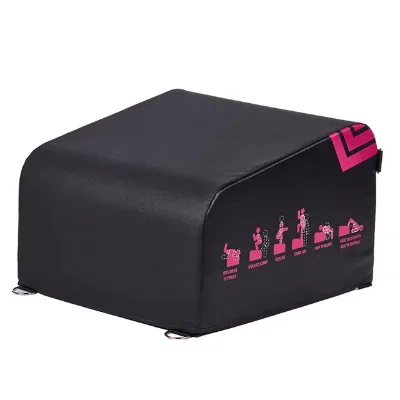
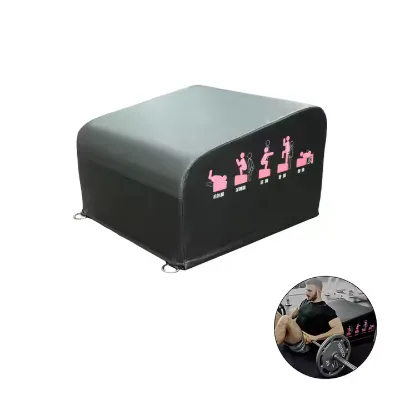
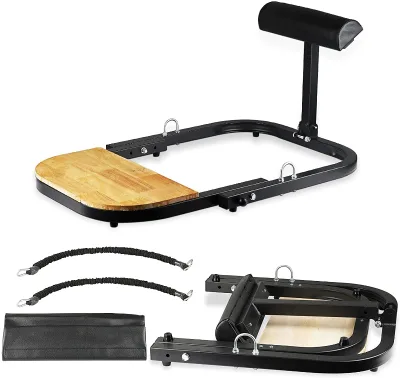
The hip thrust box serves as a critical piece of equipment for glute activation and lower body strength training, functioning primarily as a stable platform for the user to position their upper back while performing thrusts. Sourcing this item requires distinguishing between rigid bench-style units and soft foam plyometric boxes, as the intended exercise mechanics differ significantly between the two categories. Buyers must first identify whether their facility requires a fixed-height bench for heavy loading or a soft, adjustable box for dynamic plyometric drills, as the structural integrity and material composition vary accordingly.
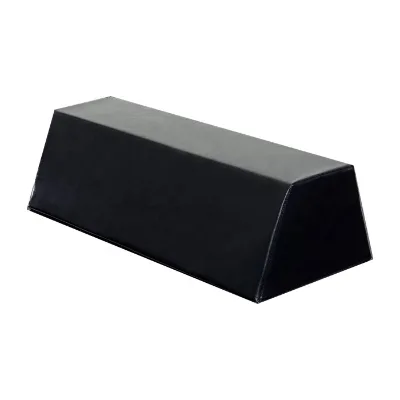
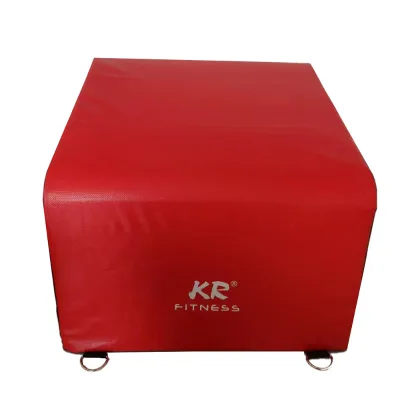
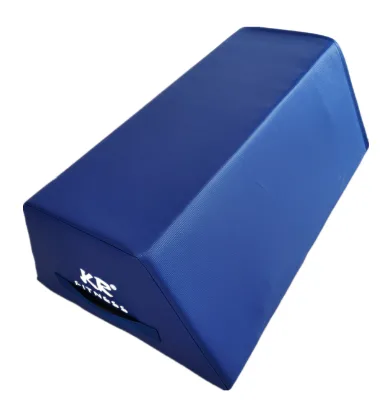
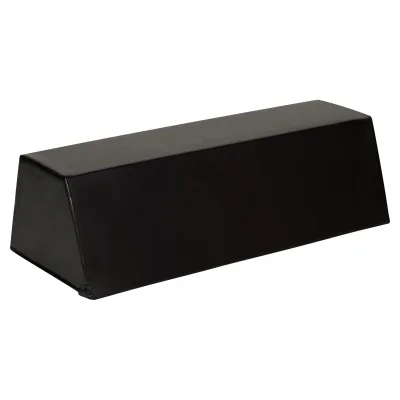
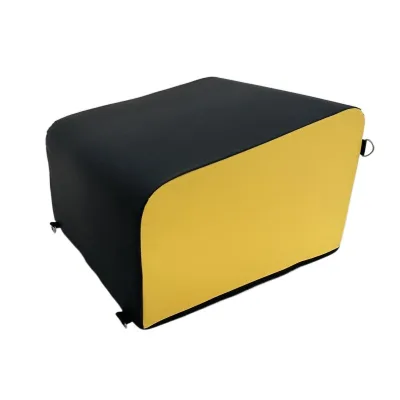
Procurement decisions should be grounded in the specific functional attributes observed in the market, such as the distinction between a "Multi Function Hip Thrust Bench" and a "jump training soft foam Plyo box." The former typically features a steel frame with foam padding for comfort during heavy resistance training, while the latter relies on antislip PVC leather and EPE foam to absorb impact during high-velocity jumps. Understanding these functional differences ensures that the selected product aligns with the specific training protocols and safety requirements of the end-user environment.
Product Scope and Observed Listing Signals
Market listings for hip thrust boxes reveal a diverse range of specifications, including model numbers like T001, KR016, and KR014, which indicate distinct design iterations from manufacturers. Buyers should note that product dimensions vary widely, with some units measuring 60cm x 45cm as a bench, while others are defined by inch-based dimensions such as 202430 inches for plyometric applications. This variation necessitates a careful review of the size specifications to ensure the equipment fits the available floor space and meets the required height for the intended exercise.
Commercial signals in the listings also highlight significant differences in minimum order quantities and customization options, with some suppliers offering an MOQ of just 1 piece while others require 30 pieces or more. The availability of customized logos and colors suggests that many manufacturers are prepared to support private labeling, which is essential for gyms and fitness brands looking to maintain a consistent identity. However, buyers must verify if the specific model they select supports these customization features, as not all listed products may offer the same level of branding flexibility.
Technical Specifications to Verify
When evaluating the technical construction of a hip thrust box, the material composition is a primary factor determining durability and user comfort. Listings indicate materials ranging from steel frames with PVC and sponge padding to antislip PVC leather combined with EPE foam, each offering different benefits for stability and impact absorption. Buyers must verify that the chosen material matches the intended usage, ensuring that a steel-framed bench can support the necessary load for bodybuilding while a foam box provides the necessary shock absorption for plyometric training.
Dimensional accuracy and package details are equally critical for logistics and installation planning. Specifications such as single package sizes and gross weights vary, with some entries listing zero volume or weight, which may indicate data entry errors or specific packaging configurations. It is essential to confirm the actual physical dimensions and weight of the shipped unit to calculate shipping costs accurately and ensure the product can be maneuvered through facility doorways. Additionally, verifying the folded or unfolded state of the equipment is necessary for facilities with limited storage space.
Compliance and Safety Documentation
Safety compliance is a non-negotiable aspect of sourcing fitness equipment, particularly for items that support significant body weight during dynamic movements. Some product listings explicitly mention CE certification, which serves as a baseline indicator that the manufacturer has considered European safety standards for machinery and equipment. Buyers should request current certification documents to verify that the specific model being purchased meets the relevant safety requirements for the target market, rather than relying solely on the general claim of compliance.
Beyond formal certifications, the physical safety features of the product must be scrutinized to prevent user injury during operation. Attributes such as "antislip" surfaces and "comfortable" padding are critical for maintaining stability and reducing the risk of slipping or bruising during intense workouts. Procurement teams should verify that the surface texture and padding density are sufficient to prevent movement under load, ensuring that the equipment remains stable even when subjected to the high forces generated during hip thrust exercises.
Cost Drivers and Commercial Terms
The pricing of hip thrust boxes is influenced by a complex mix of material costs, manufacturing complexity, and customization requirements. Observed price ranges in the market span from approximately $14.32 to $618, reflecting the difference between simple foam boxes and more complex, multi-functional steel benches with extensive padding. Buyers should understand that higher prices often correlate with enhanced durability, specialized features like adjustable heights, or the inclusion of premium materials that extend the product's lifespan.
Commercial terms and lead times are equally important factors that impact the total cost of ownership and project timelines. Listings indicate lead times ranging from 10 working days for samples to 50 days for bulk orders, with payment terms typically structured as T/T. Procurement planners must account for these lead times when scheduling facility openings or inventory replenishment, ensuring that the production schedule aligns with operational needs. Additionally, the minimum order quantity requirements can significantly affect the unit cost, making it vital to balance order volume with budget constraints.
Supplier Qualification and Quality Control
Supplier qualification should focus on the manufacturer's ability to deliver consistent quality and adhere to the specific customization requests of the buyer. Many suppliers in the region offer customized logos and colors, indicating a capacity for private labeling, but buyers must verify the consistency of these customizations across large production runs. It is advisable to request samples to assess the quality of the stitching, the density of the foam, and the stability of the frame before committing to a larger order.
Quality control processes must be established to ensure that every unit meets the agreed-upon specifications and safety standards. Buyers should inquire about the manufacturer's internal testing procedures, particularly regarding the load-bearing capacity of the bench or the durability of the antislip surface on foam boxes. Establishing clear acceptance criteria for defects, such as uneven padding or loose stitching, helps mitigate the risk of receiving substandard products that could compromise user safety or lead to premature replacement costs.
Long-Term Procurement Checks
Long-term procurement success depends on the supplier's ability to maintain consistent product quality and availability over time. Buyers should establish a relationship with suppliers who demonstrate a track record of reliable delivery and consistent adherence to specifications, as this reduces the risk of supply chain disruptions. Regular audits or periodic sample checks can help ensure that the manufacturer continues to meet the required standards for materials and construction as production scales up.
Maintenance and replacement part availability are also critical considerations for the longevity of the equipment. Since hip thrust boxes are subject to wear and tear from frequent use, buyers should verify that the supplier can provide replacement parts such as foam pads, covers, or structural components. Ensuring that the product design allows for easy maintenance and that the supplier has a clear policy for handling warranty claims will protect the investment and ensure the equipment remains safe and functional for years.
FAQs
What materials are used for hip thrust boxes?
Manufacturers typically use foam, PVC leather, or steel for hip thrust boxes. Soft plyo boxes often feature antislip PVC leather with EPE foam for comfort. Harder benches may utilize steel frames with sponge padding. These materials ensure durability and user safety during intense bodybuilding and fitness exercises.
Can I customize the logo on these fitness boxes?
Yes, customized logos are available for most hip thrust box orders. Suppliers generally accept personalized branding to meet specific business requirements. This service allows buyers to enhance brand visibility. Check with the manufacturer regarding minimum order quantities and design file formats to ensure successful implementation of your custom logo.
What is the typical MOQ for these products?
The minimum order quantity varies by product type and supplier. Some soft foam plyo boxes have an MOQ of just one piece, while steel benches may require thirty pieces. Buyers should verify the specific MOQ for their chosen model, as it directly impacts initial procurement costs and inventory management strategies.
Are these hip thrust boxes suitable for home use?
Yes, many hip thrust boxes are designed for both home and gymnasium use. Compact sizes and manual operation make them ideal for residential fitness routines. They support comprehensive fitness exercises without requiring electrical power. Buyers can select models that fit their available space while maintaining professional-grade functionality for daily workouts.
What certifications do these fitness products have?
Certain hip thrust box models carry CE certification, indicating compliance with European safety standards. Buyers should request specific certification documents from suppliers to verify product quality and regulatory adherence. This ensures the equipment meets international safety requirements for commercial and personal fitness applications, providing peace of mind for end-users.
How long is the lead time for orders?
Lead times typically range from ten working days for samples to fifty days for bulk production. The exact duration depends on the order quantity and customization requirements. Buyers should plan their procurement schedule accordingly to avoid delays. Confirming the lead time with the supplier before placing the order ensures timely delivery for your business needs.